Anxiety, panic and fear of the unknown
It is common to be more frightened by imagination than by the actual anaesthetic. People joke about “not waking up”, “saying embarrassing things”, or “feeling everything”. Those comments can be surprisingly damaging, especially if you already have health anxiety, OCD, panic attacks or trauma around hospitals.
Useful ways to cope
- Ask the anaesthetist to explain the plan in plain language.
- Tell them exactly what you fear most.
- Use one trusted information source rather than endless social media scrolling.
- Practice slow breathing, grounding, or a brief hypnosis audio the night before and on the day.
- Bring a support person if permitted.
- Ask for the cannula to be done with you lying down if you faint easily.
When anxiety is severe
- Ask whether a premedication or sedative is appropriate.
- For extreme anticipatory anxiety, discuss this before the day if possible.
- People with trauma, phobia, OCD or panic may benefit from short-course psychotherapy, CBT, hypnosis or exposure-based work before elective surgery.
- If you have had a previous bad medical experience, say so directly.
Needle phobia
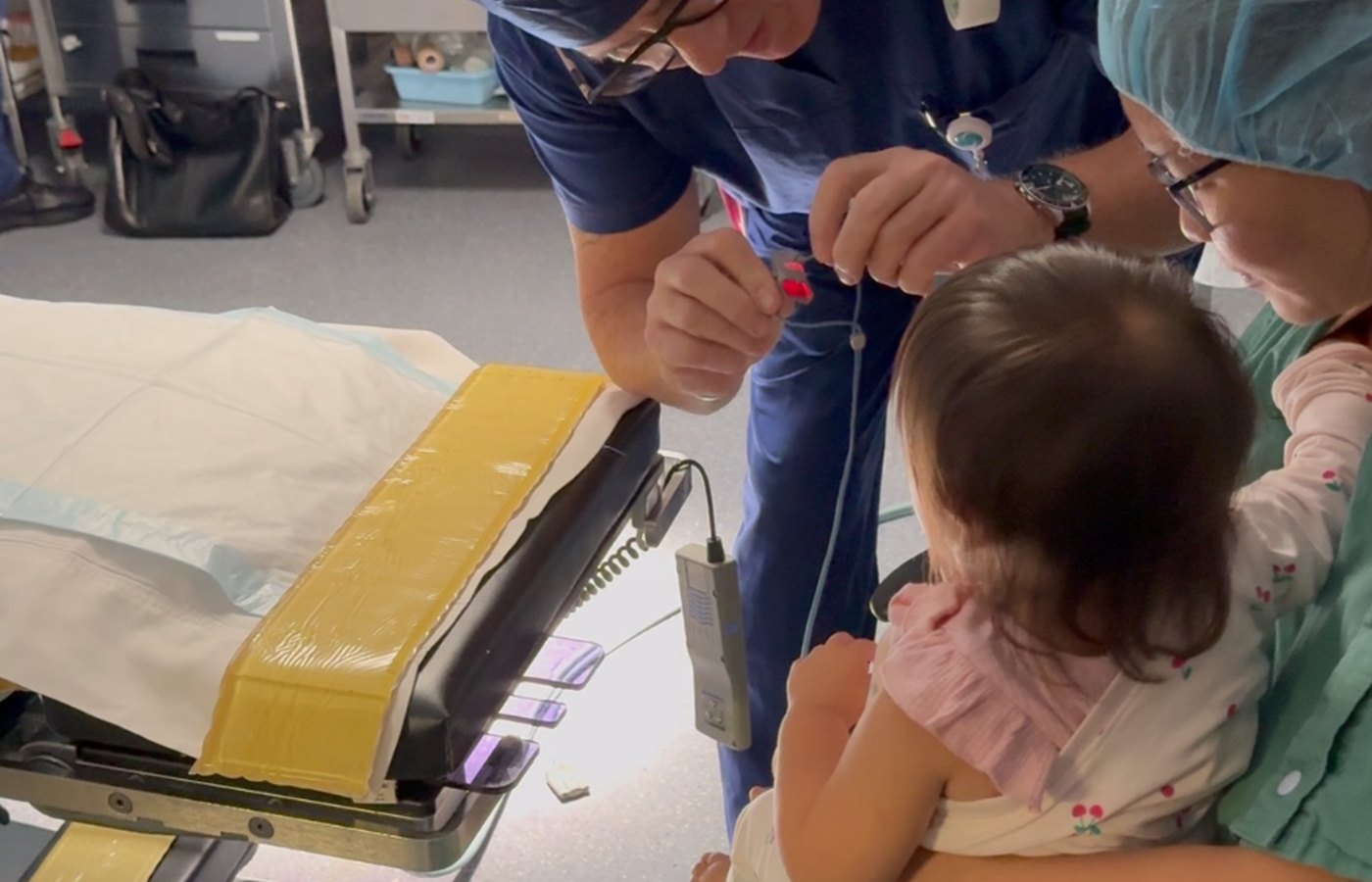
This is real, not childish. Options can include topical local anaesthetic cream, a calm environment, one experienced inserter, distraction, looking away, music, or discussion of gas induction in selected cases.
Embarrassment after waking
Most people do not reveal hidden secrets. Some are briefly tearful, chatty, shivery or disoriented. Recovery staff are used to this and do not judge it.
A better mental frame
Think of the anaesthetic as a controlled medical process, not a leap into darkness. You are assessed, checked, monitored, oxygenated, supported and watched continuously. This is not like falling asleep alone. It is more like temporarily handing over the work of safety and vigilance to trained clinicians whose full job is to protect you through the procedure.